Facilitate Environmental Clearances for all industrial developmental projects
The official approval or consent granted by a regulatory authority to a proposed project or activity, ensuring that it adheres to prescribed environmental standards and mitigates any potential adverse impacts on the environment during its construction and operation phases.
The EC process is governed by the EIA Notification 2006, which outlines the requirement for project proponents to conduct an Environmental Impact Assessment (EIA) study and obtain clearance for certain categories of projects before commencing activities. The clearance ensures that environmental safeguards are integrated into the project planning and execution.
Environmental Impact Assessment Studies (EIA)
EIA – A tool used to assess the significant environmental impacts (positive or negative) of a proposed project or development activity before decisions are made. It aims to predict environmental impacts at an early stage in project planning and design, find ways to reduce adverse impacts, and shape projects to suit the local environment while presenting the predictions and options to decision-makers.
The EIA process in India is guided by the EIA Notification of 2006, issued under the Environment (Protection) Act, 1986, which lays down procedures for screening, scoping, public consultation, and appraisal for granting environmental clearances to projects.
In India, the EIA process is governed by the EIA Notification 2006, issued under the Environment (Protection) Act, 1986. The notification categorizes projects into:
Category A: Requires clearance from the Central Government (MoEFCC).
Category B: Requires clearance from the State Environment Impact Assessment Authority (SEIAA).
Projects are assessed based on their potential environmental impact, scale, and location.
Social Impact Assessment Studies
Social Impact Assessment (SIA) is a process of identifying, analyzing, and evaluating the social consequences that are likely to result from proposed projects, policies, or programs. These consequences can be positive or negative and may affect individuals, groups, or communities.
Key Components of SIA:
Baseline Study: Collect data on the existing socio-economic and cultural environment.
Impact Identification: Analyze the potential positive and negative impacts on:
Livelihoods
Health and well-being
Displacement or resettlement
Social cohesion
Local economy
Stakeholder Engagement: Involve affected communities and stakeholders in the assessment process to ensure inclusivity.
Mitigation Plan: Propose strategies to avoid, reduce, or compensate for negative impacts.
Monitoring and Evaluation: Establish mechanisms to monitor the implementation of mitigation measures and evaluate their effectiveness.
Forest Clearance (FC), Wildlife (WLC), Biodiversity studies and Tree Counting Surveys
Tree Counting Surveys
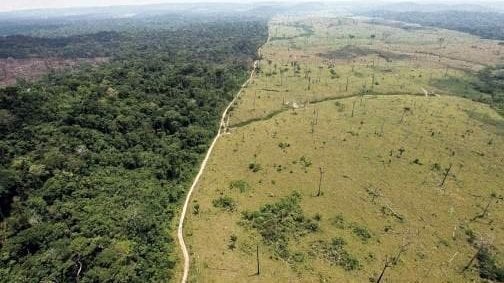
Forest Clearance (FC) is the legal approval granted by the government for the diversion of forest land for non-forest purposes, such as infrastructure development, industrial projects, mining, and other activities, under specific conditions. It ensures that the use of forest land is regulated, and compensatory measures are implemented to mitigate ecological damage.
Biodiversity Studies
Biodiversity studies involve the systematic assessment, documentation, and analysis of the variety of life forms—plants, animals, microorganisms, and their ecosystems—in a given area. These studies aim to understand species diversity, genetic variability, ecosystem functioning, and the impact of human activities on biodiversity.
A Detailed Project Report (DPR) is a comprehensive and structured document that provides in-depth information about a proposed project. It serves as a blueprint for project planning, implementation, and monitoring, offering technical, financial, economic, and managerial details to stakeholders and decision-makers.
Preparation of Mining Plan and Approvals
Mining Plan is a comprehensive document that outlines the strategy, design, and methodology for the development, operation, and reclamation of a mining project. It provides technical, economic, environmental, and safety guidelines for the sustainable and legal extraction of mineral resources.
Environment Audit, Safety Audit or EHS Audit
Compliance Audit:
Focuses on whether an organization complies with environmental laws, regulations, and permits.
Examples: Air and water quality standards, hazardous waste management, emission limits.
Environmental Management System (EMS) Audit:
Assesses the effectiveness of the organization’s EMS (e.g., ISO 14001 compliance).
Reviews procedures, policies, and training related to environmental management.
Performance Audit:
Examines the actual environmental performance of processes, technologies, and practices.
Identifies opportunities for improvement in energy efficiency, waste reduction, and resource use.
Due Diligence Audit:
Conducted during acquisitions, mergers, or investments to assess environmental liabilities and risks.
Waste Audit:
Focuses on waste generation, disposal practices, and compliance with waste management regulations.
Consent for Establishment (CFE) and Consent for Operate (CFO)
Consent for Establishment (CFE) and Consent for Operate (CFO) are regulatory approvals required under the Water (Prevention and Control of Pollution) Act, 1974 and the Air (Prevention and Control of Pollution) Act, 1981. These consents are granted by the State Pollution Control Boards (SPCBs) or Pollution Control Committees (PCCs) to ensure that industries, infrastructure projects, and other establishments comply with environmental standards before they begin operations or continue functioning.
Environmental Site Due Diligence Studies, Clean up Strategies and Remediation Plans
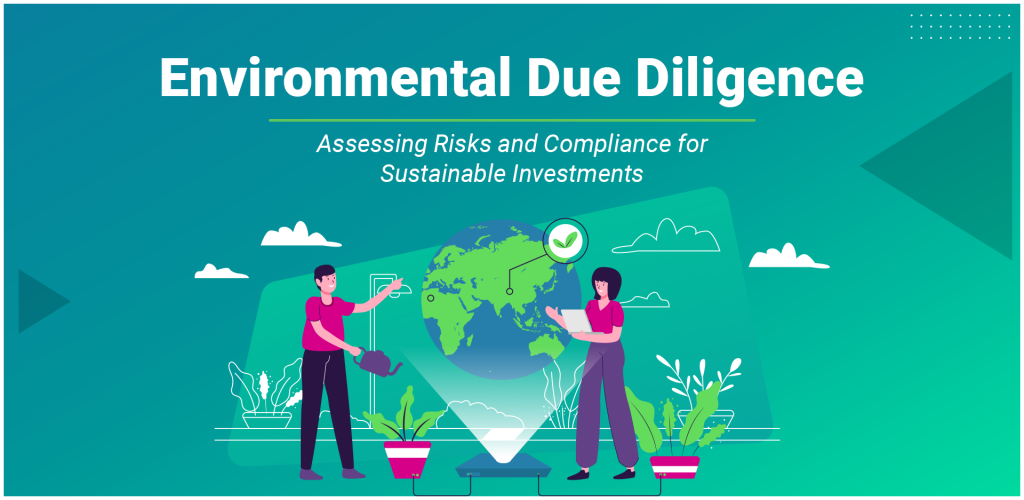
Process of investigating and assessing the environmental conditions of a property, project, or business before a transaction, investment, or acquisition. The purpose of EDD is to identify potential environmental liabilities, risks, and compliance issues that may affect the value, operations, or reputation of the involved entities.
Risk Assessments (MCA, HAZON, HAZOP) and Disaster Management Plans
Risk assessment is the systematic process of identifying, evaluating, and prioritizing risks associated with a specific activity, project, or operation. In an environmental context, it refers to the process of assessing the potential hazards that may affect the environment, human health, or ecosystems and determining the likelihood and severity of their impacts.
A Disaster Management Plan (DMP) is a comprehensive and strategic framework developed to prepare, respond to, and recover from potential disasters, ensuring the safety of people, property, and the environment. It involves a detailed approach to managing natural and man-made disasters, including planning, risk assessment, resource allocation, and coordination among various stakeholders.
Hydrogeological studies and Ground water mapping
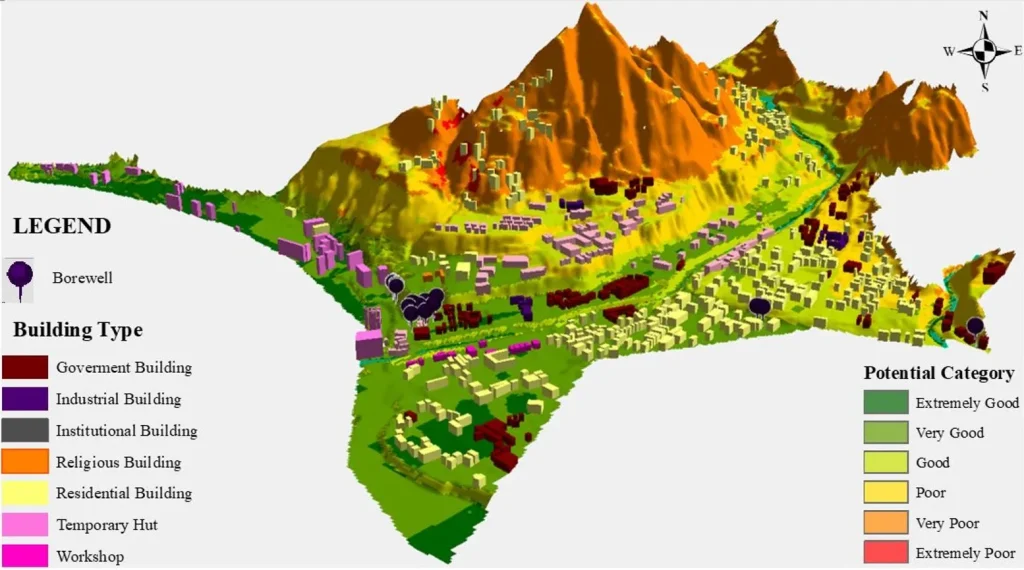
Hydrogeological studies involve the scientific investigation of the distribution, movement, and quality of groundwater in the Earth’s crust. These studies focus on understanding the interaction between water and geological formations, especially in terms of aquifers, groundwater recharge, and discharge processes. Hydrogeology integrates the disciplines of hydrology, geology, and environmental science to evaluate groundwater resources, assess water availability, and manage water use sustainably.
Energy Efficiency Building Code (ECBC) Compliance
Energy Efficiency Building Code (EEBC) is a set of regulations or standards designed to improve the energy performance of buildings. These codes mandate minimum requirements for the design, construction, and operation of buildings to reduce energy consumption and minimize environmental impacts, including greenhouse gas emissions. EEBCs typically cover various aspects of building systems, such as insulation, heating, cooling, lighting, water heating, and the overall use of energy-efficient technologies.
Land use/Land cover analysis using RS and GIS
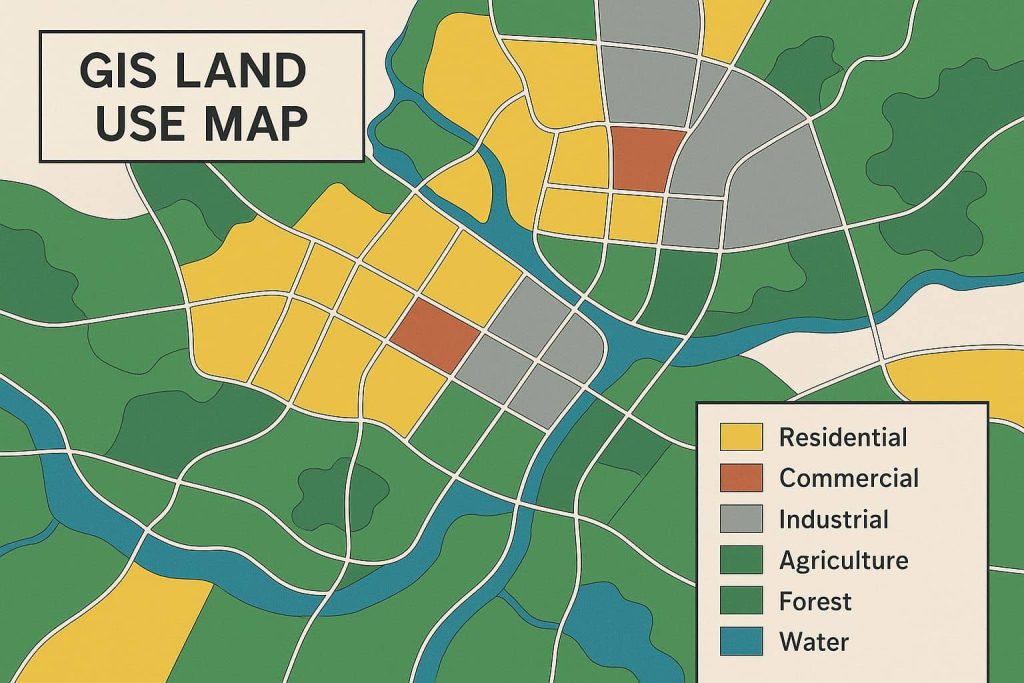
Land use and land cover (LULC) analysis involves the classification and assessment of land surfaces based on both natural and human-induced factors. It is a critical tool for urban planning, environmental monitoring, agriculture, and climate studies.
ERDAS and ArcGIS are two powerful software platforms commonly used for Land Use/Land Cover (LULC) analysis and other geographic and spatial data processing tasks.